
பகுதி – I / PART – I
குறிப்பு : (i) அனைத்து வினாக்களுக்கும் விடையளிக்கவும். (ii) கொடுக்கப்பட்டுள்ள நான்கு மாற்று விடைகளில் மிகவும் ஏற்புடைய விடையினைத் தேர்ந்தெடுத்து குறியீட்டுடன் விடையினையும் சேர்த்து எழுதவும்.
Note : (i) Answer all the questions. (ii) Choose the most appropriate answer from the given four alternatives and write the option code and the corresponding answer.
1.
உள்நோக்கிய சைலம் என்பது எதன் சிறப்புப் பண்பாகும் ?
(அ) வேர்
(ஆ) தண்டு
(இ) இலைகள்
(ஈ) மலர்கள்
The endarch condition is the characteristic feature of :
(a) Root
(b) Stem
(c) Leaves
(d) Flowers
விடையைக் காட்டு ▾
(ஆ) / (b) Stem · தீர்க்கப்பட்ட ஒரு மதிப்பெண் வினாக்கள் →1 mark
2.
TFM என்பது சோப்பின் எந்த பகுதிப் பொருளைக் குறிக்கிறது ?
(அ) தாது உப்பு
(ஆ) வைட்டமின்
(இ) கொழுப்பு பொருட்கள்
(ஈ) கார்போஹைட்ரேட்
TFM in soaps represents ________ content in soap.
(a) Mineral
(b) Vitamin
(c) Fatty matter
(d) Carbohydrate
விடையைக் காட்டு ▾
(இ) / (c) Fatty matter · தீர்க்கப்பட்ட ஒரு மதிப்பெண் வினாக்கள் →1 mark
3.
பொது வாயு மாறிலியின் மதிப்பு :
(அ) 3.81 J மோல்-1 K-1
(ஆ) 8.03 J மோல்-1 K-1
(இ) 1.38 J மோல்-1 K-1
(ஈ) 8.31 J மோல்-1 K-1
The value of Universal Gas Constant :
(a) 3.81 J mol-1 K-1
(b) 8.03 J mol-1 K-1
(c) 1.38 J mol-1 K-1
(d) 8.31 J mol-1 K-1
விடையைக் காட்டு ▾
(ஈ) / (d) 8.31 J mol-1 K-1 · தீர்க்கப்பட்ட ஒரு மதிப்பெண் வினாக்கள் →1 mark
4.
கிலோ வாட் மணி என்பது எதனுடைய அலகு ?
(அ) மின்தடை எண்
(ஆ) மின்கடத்து திறன்
(இ) மின் ஆற்றல்
(ஈ) மின் திறன்
Kilowatt hour is the unit of :
(a) resistivity
(b) conductivity
(c) electrical energy
(d) electrical power
விடையைக் காட்டு ▾
(இ) / (c) electrical energy · தீர்க்கப்பட்ட ஒரு மதிப்பெண் வினாக்கள் →1 mark
5.
DNA -வை வெட்டப் பயன்படும் நொதி ________.
(அ) புரோட்டியேஸ்
(ஆ) ரெஸ்ட்ரிக்ஸன் எண்டோநியூக்ளியேஸ்
(இ) DNA லைகேஸ்
(ஈ) RNA நொதிகள்
An enzyme which cuts DNA is :
(a) Protease
(b) Restriction endonuclease
(c) DNA Ligase
(d) RNAase
விடையைக் காட்டு ▾
(ஆ) / (b) Restriction endonuclease · தீர்க்கப்பட்ட ஒரு மதிப்பெண் வினாக்கள் →1 mark
6.
ஒரு மோல் என்பது ________ மூலக்கூறுகளைக் கொண்டிருக்கும்.
(அ) \(6.023\times10^{23}\)
(ஆ) \(6.023\times10^{-23}\)
(இ) \(3.0115\times10^{23}\)
(ஈ) \(12.046\times10^{23}\)
One mole of any substance contains ________ molecules.
(a) \(6.023\times10^{23}\)
(b) \(6.023\times10^{-23}\)
(c) \(3.0115\times10^{23}\)
(d) \(12.046\times10^{23}\)
விடையைக் காட்டு ▾
(அ) / (a) \(6.023\times10^{23}\) · தீர்க்கப்பட்ட ஒரு மதிப்பெண் வினாக்கள் →1 mark
7.
தலைமைச் சுரப்பி என குறிப்பிடப்படுவது எது ?
(அ) பினியல் சுரப்பி
(ஆ) பிட்யூட்டரி சுரப்பி
(இ) தைராய்டு சுரப்பி
(ஈ) அட்ரினல் சுரப்பி
Which one is referred as "Master gland" ?
(a) Pineal gland
(b) Pituitary gland
(c) Thyroid gland
(d) Adrenal gland
விடையைக் காட்டு ▾
(ஆ) / (b) Pituitary gland · தீர்க்கப்பட்ட ஒரு மதிப்பெண் வினாக்கள் →1 mark
8.
காற்று வழி மகரந்தச் சேர்க்கை நடைபெறும் தாவரங்களின் பண்புகளோடு தொடர்பில்லாதது எது ?
(அ) மலர்கள் ஏராளமான மகரந்தத்துகள்களை உற்பத்தி செய்கின்றன.
(ஆ) சூல்முடியானது பெரியதாகவும், வெளியே நீட்டிக்கொண்டும் இருக்கும்.
(இ) மலர்கள் நிறம், மணம் மற்றும் தேன் சுரக்கும் தன்மையினையும் கொண்டிருக்கும்.
(ஈ) மகரந்தத்துகள்கள் சிறியதாகவும் உலர்ந்ததாகவும் இருக்கும்.
Which among the following is not the characteristic of anemophilous plants ?
(a) the flowers produce enormous amount of pollen grains.
(b) the stigmas are large and protruding.
(c) the flowers are brightly coloured, have smell and nectar.
(d) pollen grains are small and dry.
விடையைக் காட்டு ▾
(இ) / (c) the flowers are brightly coloured, have smell and nectar. · தீர்க்கப்பட்ட ஒரு மதிப்பெண் வினாக்கள் →1 mark
9.
கீழ்க்கண்டவற்றுள் நிலைமம் எதனைச் சார்ந்தது ?
(அ) பொருளின் எடை
(ஆ) கோளின் ஈர்ப்பு முடுக்கம்
(இ) பொருளின் நிறை
(ஈ) (அ) மற்றும் (ஆ)
Inertia of a body depends on :
(a) Weight of the object
(b) Acceleration due to gravity of planet
(c) Mass of the object
(d) Both (a) and (b)
விடையைக் காட்டு ▾
(இ) / (c) Mass of the object · தீர்க்கப்பட்ட ஒரு மதிப்பெண் வினாக்கள் →1 mark
10.
இரத்த ஓட்டத்தின் சரியான வரிசை எது ?
(அ) வெண்ட்ரிக்கிள் → ஏட்ரியம் → சிரை → தமனி
(ஆ) ஏட்ரியம் → வெண்ட்ரிக்கிள் → சிரை → தமனி
(இ) ஏட்ரியம் → வெண்ட்ரிக்கிள் → தமனி → சிரை
(ஈ) வெண்ட்ரிக்கிள் → சிரை → ஏட்ரியம் → தமனி
Which is the correct sequence of blood flow ?
(a) Ventricle → Atrium → Vein → Arteries
(b) Atrium → Ventricle → Vein → Arteries
(c) Atrium → Ventricle → Arteries → Vein
(d) Ventricle → Vein → Atrium → Arteries
விடையைக் காட்டு ▾
(இ) / (c) Atrium → Ventricle → Arteries → Vein · தீர்க்கப்பட்ட ஒரு மதிப்பெண் வினாக்கள் →1 mark
11.
பின்வருவனவற்றுள் எது "தனிமம் + தனிமம் → சேர்மம்" வகை அல்ல ?
(அ) \(\text{C}_{(s)}+\text{O}_{2(g)}\rightarrow\text{CO}_{2(g)}\)
(ஆ) \(2\text{K}_{(s)}+\text{Br}_{2(l)}\rightarrow 2\text{KBr}_{(s)}\)
(இ) \(2\text{CO}_{(g)}+\text{O}_{2(g)}\rightarrow 2\text{CO}_{2(g)}\)
(ஈ) \(4\text{Fe}_{(s)}+3\text{O}_{2(g)}\rightarrow 2\text{Fe}_2\text{O}_{3(s)}\)
Which of the following is not an "element + element → compound" type reaction ?
(a) \(\text{C}_{(s)}+\text{O}_{2(g)}\rightarrow\text{CO}_{2(g)}\)
(b) \(2\text{K}_{(s)}+\text{Br}_{2(l)}\rightarrow 2\text{KBr}_{(s)}\)
(c) \(2\text{CO}_{(g)}+\text{O}_{2(g)}\rightarrow 2\text{CO}_{2(g)}\)
(d) \(4\text{Fe}_{(s)}+3\text{O}_{2(g)}\rightarrow 2\text{Fe}_2\text{O}_{3(s)}\)
விடையைக் காட்டு ▾
(இ) / (c) \(2\text{CO}_{(g)}+\text{O}_{2(g)}\rightarrow 2\text{CO}_{2(g)}\) · தீர்க்கப்பட்ட ஒரு மதிப்பெண் வினாக்கள் →1 mark
12.
எபிதீலியல் செல்லில் புற்றுநோய் உருவாவதற்கு ________ என்று பெயர்.
(அ) லுயூக்கேமியா
(ஆ) சார்க்கோமா
(இ) கார்சினோமா
(ஈ) லிப்போமா
Cancer of the epithelial cell is called as ________.
(a) Leukaemia
(b) Sarcoma
(c) Carcinoma
(d) Lipoma
விடையைக் காட்டு ▾
(இ) / (c) Carcinoma · தீர்க்கப்பட்ட ஒரு மதிப்பெண் வினாக்கள் →1 mark
பகுதி – II / PART – II
குறிப்பு : எவையேனும் ஏழு வினாக்களுக்கு விடையளிக்கவும். வினா எண் 22 -க்கு கட்டாயமாக விடையளிக்கவும்.
Note : Answer any seven questions. Question No. 22 is compulsory.
13.
தோற்ற வெப்ப விரிவு குணகம் என்றால் என்ன ?
What is coefficient of apparent expansion ?
2 marks
14.
மின்னிழை விளக்குகளில் டங்ஸ்டன் உலோகம் பயன்படுத்தப்படுகிறது. ஆனால் மின் உருகி இழையாக அதனைப் பயன்படுத்துவதில்லை. ஏன் ?
Why is tungsten metal used in bulbs but not used as fuse wires ?
2 marks
15.
துரு என்பது என்ன ? துரு உருவாகுவதன் சமன்பாட்டைத் தருக.
What is rust ? Give the equation for the formation of rust.
2 marks
16.
மேடை என்றால் என்ன ?
What is stage ?
2 marks
17.
சைனோ ஏட்ரியல் கணு “இதயத்தின் பேஸ்மேக்கர்” என்று ஏன் அழைக்கப்படுகிறது ?
Why is sinoatrial node called as pacemaker of heart ?
2 marks
18.
பின் மூளையின் பாகங்கள் யாவை ?
What are the parts of the hind brain ?
2 marks
19.
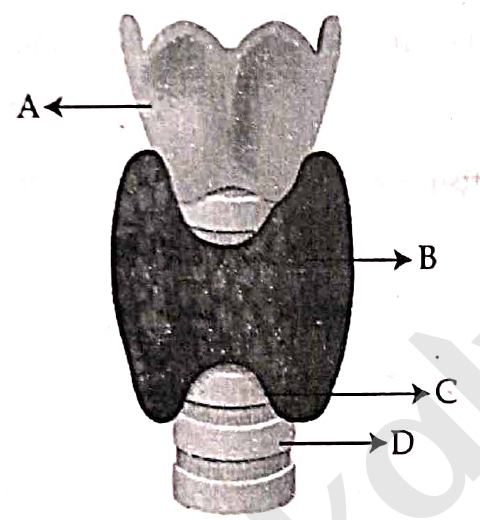
கொடுக்கப்பட்டுள்ள படத்தில் A, B, C மற்றும் D ஆகிய பாகங்களை அடையாளம் காணவும்.
Identify the parts A, B, C and D in the given figure.
2 marks
20.
கொலஸ்ட்ரம் (சீம்பால்) என்றால் என்ன ? பால் உற்பத்தியானது ஹார்மோன்களால் எவ்வாறு ஒழுங்குபடுத்தப்படுகிறது ?
What is colostrum ? How is milk production hormonally regulated ?
2 marks
21.
மெட்டாஸ்டாசிஸ் என்றால் என்ன ?
What is metastasis ?
2 marks
22.
ஒரு கரைசலின் pH மதிப்பு 4.5 எனில், அதன் pOH மதிப்பைக் காண்க.
If the pH of a solution is 4.5, find the value of its pOH.
2 marks
பகுதி – III / PART – III
குறிப்பு : எவையேனும் ஏழு வினாக்களுக்கு விடையளிக்கவும். வினா எண் 32 -க்கு கட்டாயமாக விடையளிக்கவும்.
Note : Answer any seven questions. Question No. 32 is compulsory.
23.
நிலைமத்தின் பல்வேறு வகைகளை எடுத்துக்காட்டுகளுடன் விளக்குக.
Explain the various types of inertia with examples.
4 marks
24.
(அ) இயற்கை மற்றும் செயற்கை கதிரியக்கத்தின் ஏதேனும் மூன்று பண்புகளை எழுதுக.
(ஆ) மின்னோட்டத்தின் வெப்ப விளைவைப் பயன்படுத்தி செயல்படும் இரண்டு மின் சாதனங்களின் பெயரினைக் கூறுக.
(ஆ) மின்னோட்டத்தின் வெப்ப விளைவைப் பயன்படுத்தி செயல்படும் இரண்டு மின் சாதனங்களின் பெயரினைக் கூறுக.
(a) Write any three features of natural and artificial radioactivity.
(b) Name any two devices, which are working on the heating effect of current.
(b) Name any two devices, which are working on the heating effect of current.
4 marks
25.
(அ) MgSO₄.7H₂O உப்பினை வெப்பப்படுத்தும்போது என்ன நிகழ்கிறது ? இவ்வினைக்கான சமன்பாட்டினை எழுதுக.
(ஆ) கரைதிறன் – வரையறுக்கவும்.
(ஆ) கரைதிறன் – வரையறுக்கவும்.
(a) What happens when MgSO₄.7H₂O is heated ? Write the appropriate equation.
(b) Define : Solubility.
(b) Define : Solubility.
4 marks
26.
(அ) சுவாச ஈவு என்றால் என்ன ?
(ஆ) ஒளிச் சேர்க்கையின்போது இருள் வினைக்கு முன்பு ஏன் ஒளி வினை நடைபெற வேண்டும் ?
(ஆ) ஒளிச் சேர்க்கையின்போது இருள் வினைக்கு முன்பு ஏன் ஒளி வினை நடைபெற வேண்டும் ?
(a) What is Respiratory Quotient ?
(b) Why should the light dependent reaction occur before light independent reaction during photosynthesis ?
(b) Why should the light dependent reaction occur before light independent reaction during photosynthesis ?
4 marks
27.
முயலின் பல் வாய்ப்பாட்டினை எழுதுக.
Write the dental formula of rabbit.
4 marks
28.
(அ) தாவரங்கள் மற்றும் விலங்குகளில் யூபிளாய்டி நிலை சாதகமானதாக ஏன் கருதப்படுகிறது ?
(ஆ) நியூரான்கள் அவற்றின் அமைப்பின் அடிப்படையில் எவ்வாறு வகைப்படுத்தப்பட்டுள்ளன ?
(ஆ) நியூரான்கள் அவற்றின் அமைப்பின் அடிப்படையில் எவ்வாறு வகைப்படுத்தப்பட்டுள்ளன ?
(a) Why is Euploidy considered to be advantageous to both plants and animals ?
(b) Classify Neurons based on its structure.
(b) Classify Neurons based on its structure.
4 marks
29.
தமனிகளும், சிரைகளும் அமைப்பின் அடிப்படையில் எவ்வாறு வேறுபடுகின்றன ?
How are Arteries and Veins structurally different from one another ?
4 marks
30.
வட்டார இன தாவரவியல் என்பதனை வரையறுத்து, அதன் முக்கியத்துவத்தை எழுதுக.
Define Ethnobotany and write its importance.
4 marks
31.
(அ) காடழிப்பினால் ஏற்படக்கூடிய விளைவுகள் யாவை ?
(ஆ) DNA விரல் ரேகைத் தொழில் நுட்பத்தின் நடைமுறை பயன்பாடுகளைக் கூறுக.
(ஆ) DNA விரல் ரேகைத் தொழில் நுட்பத்தின் நடைமுறை பயன்பாடுகளைக் கூறுக.
(a) What are the consequences of deforestation ?
(b) State the applications of DNA finger printing technique.
(b) State the applications of DNA finger printing technique.
4 marks
32.
(அ) எந்த அமிலம் அலுமினிய உலோகத்தை செயல்படா நிலைக்கு உட்படுத்தும் ? ஏன் ?
(ஆ) \(1.51\times10^{23}\) மூலக்கூறு உடைய NH₄Cl -ன் மோல்களின் எண்ணிக்கையைக் கணக்கிடுக.
(ஆ) \(1.51\times10^{23}\) மூலக்கூறு உடைய NH₄Cl -ன் மோல்களின் எண்ணிக்கையைக் கணக்கிடுக.
(a) Name the acid that renders Aluminium passive. Why ?
(b) Calculate the number of moles in \(1.51\times10^{23}\) molecules of NH₄Cl.
(b) Calculate the number of moles in \(1.51\times10^{23}\) molecules of NH₄Cl.
4 marks
பகுதி – IV / PART – IV
குறிப்பு : அனைத்து வினாக்களுக்கும் விடையளிக்கவும். தேவையான இடங்களில் படம் வரையவும்.
Note : Answer all the questions. Draw diagrams wherever necessary.
33.
(அ)(i) குவிலென்சின் பயன்கள் யாவை ?
(ii) நிறப்பிரிகை – வரையறுக்கவும்.
(iii) போக்குவரத்துச் சைகை விளக்குகள் சிவப்பு நிறத்தில் அமைக்கப்படுவதன் காரணம் என்ன ?
(iv) நகரும் நுண்ணோக்கியின் மீச்சிற்றளவு என்ன ?
(ii) நிறப்பிரிகை – வரையறுக்கவும்.
(iii) போக்குவரத்துச் சைகை விளக்குகள் சிவப்பு நிறத்தில் அமைக்கப்படுவதன் காரணம் என்ன ?
(iv) நகரும் நுண்ணோக்கியின் மீச்சிற்றளவு என்ன ?
(a)(i) What are the uses of convex lens ?
(ii) Define dispersion of light.
(iii) Why are traffic signals red in colour ?
(iv) What is the least count of travelling microscope ?
(ii) Define dispersion of light.
(iii) Why are traffic signals red in colour ?
(iv) What is the least count of travelling microscope ?
அல்லது / OR
(ஆ)(i) எதிரொலி என்றால் என்ன ?
(ii) எதிரொலி கேட்பதற்கான இரண்டு நிபந்தனைகளைக் கூறுக.
(iii) எதிரொலியின் மருத்துவப் பயன்களைக் கூறுக.
(iv) எதிரொலியைப் பயன்படுத்தி ஒலியின் திசைவேகத்தைக் காண்க.
(ii) எதிரொலி கேட்பதற்கான இரண்டு நிபந்தனைகளைக் கூறுக.
(iii) எதிரொலியின் மருத்துவப் பயன்களைக் கூறுக.
(iv) எதிரொலியைப் பயன்படுத்தி ஒலியின் திசைவேகத்தைக் காண்க.
(b)(i) What is an echo ?
(ii) State two conditions necessary for hearing an echo.
(iii) What are the medical applications of echo ?
(iv) How can you calculate the speed of sound using echo ?
(ii) State two conditions necessary for hearing an echo.
(iii) What are the medical applications of echo ?
(iv) How can you calculate the speed of sound using echo ?
7 marks
34.
(அ)(i) ஒரே வெப்ப அழுத்த நிலையில் 3 லி. O₂, 5 லி. Cl₂ மற்றும் 6 லி. H₂ வாயுக்களை எடுத்துக் கொண்டால்
(A) எது அதிக எண்ணிக்கையிலான மூலக்கூறுகளைக் கொண்டிருக்கும் ?
(B) எது குறைந்த எண்ணிக்கையிலான மூலக்கூறுகளைக் கொண்டிருக்கும் ?
(ii) நவீன அணுக் கொள்கையின் கோட்பாடுகளை எழுதுக.
(A) எது அதிக எண்ணிக்கையிலான மூலக்கூறுகளைக் கொண்டிருக்கும் ?
(B) எது குறைந்த எண்ணிக்கையிலான மூலக்கூறுகளைக் கொண்டிருக்கும் ?
(ii) நவீன அணுக் கொள்கையின் கோட்பாடுகளை எழுதுக.
(a)(i) Under same conditions of temperature and pressure, if you collect 3 litre of O₂, 5 litre of Cl₂ and 6 litre of H₂,
(A) Which has the highest number of molecules ?
(B) Which has the lowest number of molecules ?
(ii) Give the salient features of ‘Modern Atomic theory’.
(A) Which has the highest number of molecules ?
(B) Which has the lowest number of molecules ?
(ii) Give the salient features of ‘Modern Atomic theory’.
அல்லது / OR
(ஆ)(i) டிடர்ஜெண்ட்கள் எவ்வாறு நீரை மாசுப்படுத்துகின்றன ?
(ii) ஒரு கரிமச் சேர்மம் ‘A’ என்பதன் மூலக்கூறு வாய்ப்பாடு C₂H₄O₂. இது பதப்படுத்துதலில் பயன்படுகிறது. மேலும் எத்தனாலுடன் வினைபுரிந்து இனிய மணமுடைய சேர்மம் ‘B’ -யைத் தருகிறது எனில்,
(A) சேர்மம் ‘A’ -யைக் கண்டறிக.
(B) சேர்மம் ‘B’ உருவாதல் வினையினை எழுதுக.
(C) இந்நிகழ்விற்குப் பெயரிடுக.
(ii) ஒரு கரிமச் சேர்மம் ‘A’ என்பதன் மூலக்கூறு வாய்ப்பாடு C₂H₄O₂. இது பதப்படுத்துதலில் பயன்படுகிறது. மேலும் எத்தனாலுடன் வினைபுரிந்து இனிய மணமுடைய சேர்மம் ‘B’ -யைத் தருகிறது எனில்,
(A) சேர்மம் ‘A’ -யைக் கண்டறிக.
(B) சேர்மம் ‘B’ உருவாதல் வினையினை எழுதுக.
(C) இந்நிகழ்விற்குப் பெயரிடுக.
(b)(i) How do detergents cause water pollution ?
(ii) An organic compound ‘A’ is widely used as a preservative and has the molecular formula C₂H₄O₂. This compound reacts with ethanol to form a sweet smelling compound ‘B’, then
(A) Identify the compound ‘A’.
(B) Write the chemical equation for its reaction with ethanol to form compound ‘B’.
(C) Name this process.
7 marks
35.
(அ)(i) செயற்கை ஆக்ஸின்கள் என்பவை யாவை ? எடுத்துக்காட்டு தருக.
(ii) பூக்கும் தாவரத்தில் உள்ள சூலகத்தின் அமைப்பை பாகம் மற்றும் படத்துடன் விளக்குக.
(ii) பூக்கும் தாவரத்தில் உள்ள சூலகத்தின் அமைப்பை பாகம் மற்றும் படத்துடன் விளக்குக.
(a)(i) What are synthetic auxins ? Give an example.
(ii) With a neat labelled diagram, describe the parts of the typical angiospermic ovule.
(ii) With a neat labelled diagram, describe the parts of the typical angiospermic ovule.
அல்லது / OR
(ஆ)(i) “இந்திய பசுமைப் புரட்சியின் தந்தை” என அழைக்கப்படுபவர் யார் ?
(ii) உட்கலப்பு மற்றும் வெளிக்கலப்பு – வேறுபடுத்துக.
(iii) வகை I மற்றும் வகை II நீரிழிவு நோய்களை வேறுபடுத்துக.
(ii) உட்கலப்பு மற்றும் வெளிக்கலப்பு – வேறுபடுத்துக.
(iii) வகை I மற்றும் வகை II நீரிழிவு நோய்களை வேறுபடுத்துக.
(b)(i) Who is called the “Father of Indian Green Revolution” ?
(ii) Differentiate between out-breeding and in-breeding.
(iii) Differentiate between Type-I and Type-II Diabetes mellitus.
(ii) Differentiate between out-breeding and in-breeding.
(iii) Differentiate between Type-I and Type-II Diabetes mellitus.
7 marks